Stop Touring, Start Auditing: A Case for Unannounced Hours in the Shipping Bay
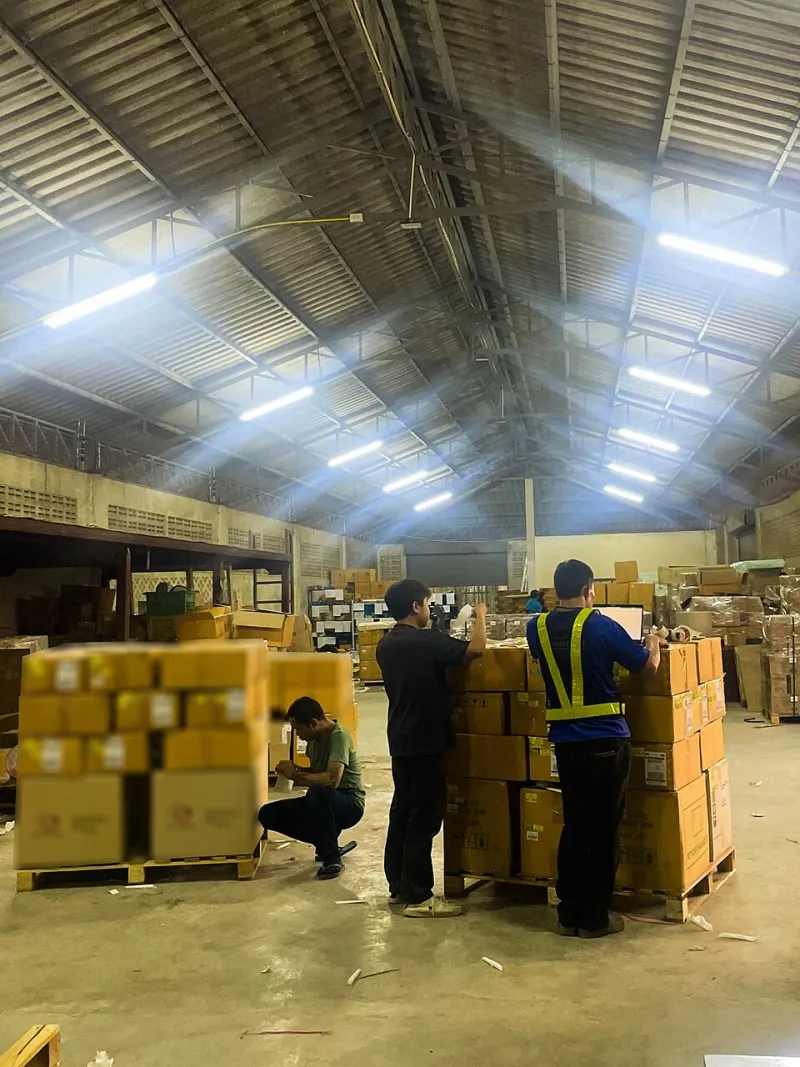
Photo: Goterrestrial, CC BY 4.0, via Wikimedia Commons
An honest accounting of the typical US executive trip to a Chinese manufacturing partner would read something like this: two flights, one hotel, four hours of presentations, a guided walk through the cleanest production line, a banquet, and a return home with photographs that prove nothing. Decisions were not made on that trip. They were decorated.
We say this with affection for the format, because we have hosted — and been — the visitors. But the ceremonial factory visit has outlived its usefulness, and US companies spending five figures per trip deserve better. The plant tour as currently practiced is theater: a scheduled performance of competence, rehearsed by everyone involved, including the visitors who want to be reassured.
What the Guided Tour Cannot Show You
Consider what a scheduled visit structurally excludes. It excludes the night shift, where supervision is thinnest and process discipline is tested. It excludes the shipping and receiving bays, where the truth about a factory's real throughput, packaging standards, and inventory chaos is on open display. It excludes maintenance, where deferred upkeep announces itself in leaking fittings and improvised repairs. In other words, it excludes precisely the areas where a factory's actual condition is visible to anyone who looks.
A guided tour is a curated asset. What sourcing teams need is a representative sample.
A New Playbook for the On-Site Trip
The alternative is not suspicion; it is design. Three changes transform the value of a visit.
First, shift-specific observation. Split your team. Send one engineer to observe the shift your production will actually run on — often the second or night shift — and stay through a full changeover. Changeovers are where shortcuts surface. If your host resists the request, that resistance is data.
Second, the unannounced follow-up. Structure your agreements so that a second, shorter visit can occur with modest notice — not a surprise inspection, which poisons trust, but a 'we were in the region' visit with 72 hours' warning. Factories with nothing to hide accommodate this easily. Factories whose tour and their Tuesday differ will make excuses, and you will learn what the excuses are.
Third, spend your best hour in the shipping bay. Ask to see outbound staging for orders shipping that week. Look at packaging quality, labeling accuracy, pallet condition, and how finished goods are stored — and for how long. The shipping bay is where a factory's promise to you becomes physical, and where cost pressure leaves visible marks. An hour there tells you more than a day in the showroom.
Recalibrating the Relationship
Some partners will read this and worry that it signals distrust. We would argue the opposite. A serious buyer who observes the night shift and walks the shipping bay is treating the relationship as a real manufacturing partnership, not a transaction with a banquet attached. The strongest suppliers we know welcome scrutiny because they have invested in being scrutinized.
The 8,000-mile trip is not the problem. The itinerary is. Fly your engineer, not your brochure — and send them to the places that were never on the tour.