Between Approval and Arrival: What Changes After the Golden Sample Leaves the Factory
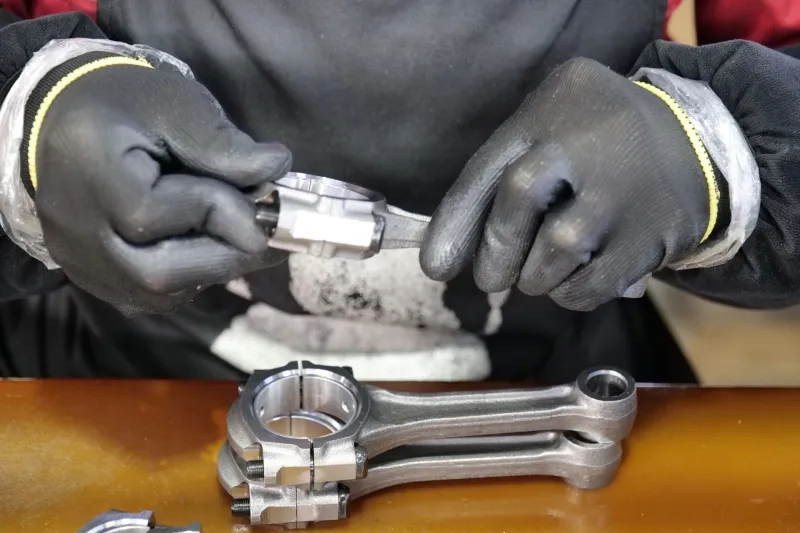
Every experienced import manager knows the ritual. The golden sample arrives, it is inspected, measured, and photographed from every angle. Signatures are collected. Approval is granted. And then, six or eight weeks later, a container arrives at a US distribution center carrying product that looks — and performs — noticeably different from the unit everyone agreed to.
This is the second sample problem, and it is one of the most under-discussed failure modes in offshore manufacturing. The approved prototype is not the unit that ships. Understanding why is the first step toward preventing it.
Where the Drift Begins
The gap between approval sample and production run is rarely the result of deliberate deception. More often, it is the accumulated effect of small, individually rational decisions made on the factory floor.
Tooling wear is the most common culprit. A mold or die that produces one flawless sample will behave differently after ten thousand cycles. Edges soften slightly. Parting lines shift. Tolerances that held at cycle one begin to wander by cycle fifty thousand. If the tooling was new when your sample was made — and it often is, precisely because a new customer justifies new investment — the sample represents the tooling at its best moment, not its average one.
Material substitution follows a similar logic. The sample may have been produced with a specified resin, alloy, or textile source. When volume production begins, procurement teams at the factory face real-time pricing pressure. A functionally similar substitute at a lower cost is tempting, and if the specification sheet says 'ABS plastic, UL94 rating' rather than a named grade from a named supplier, the substitution is entirely within the letter of the contract.
Workforce transitions complete the picture. Samples are typically produced by senior technicians on the first shift — the most skilled hands in the building. Volume production may run across two or three shifts, including newer operators trained quickly to hit output targets. The process knowledge that produced your perfect sample does not automatically transfer to the night crew.
Why US Buyers Feel This Acutely
American companies, particularly those sourcing precision components or consumer products, tend to operate on an assumption of uniformity: if one unit is good, the process is good. That assumption works when the supplier is domestic, auditable, and operating under the same regulatory framework. It weakens across an ocean and a language barrier.
The result is a familiar pattern of disputes. The buyer points to the approved sample; the factory points to the signed specification sheet. Both are technically correct, and neither is satisfied. Returns, chargebacks, and quietly deteriorating relationships follow.
Locking the Sample Into the Contract
The solution is not more trust — it is more precision. US buyers who avoid the second sample problem treat the golden sample as a legal instrument, not a courtesy. A practical checklist:
- Name your materials. Replace generic descriptions with specific grades, suppliers, and certifications. 'Equivalent materials' should require written approval.
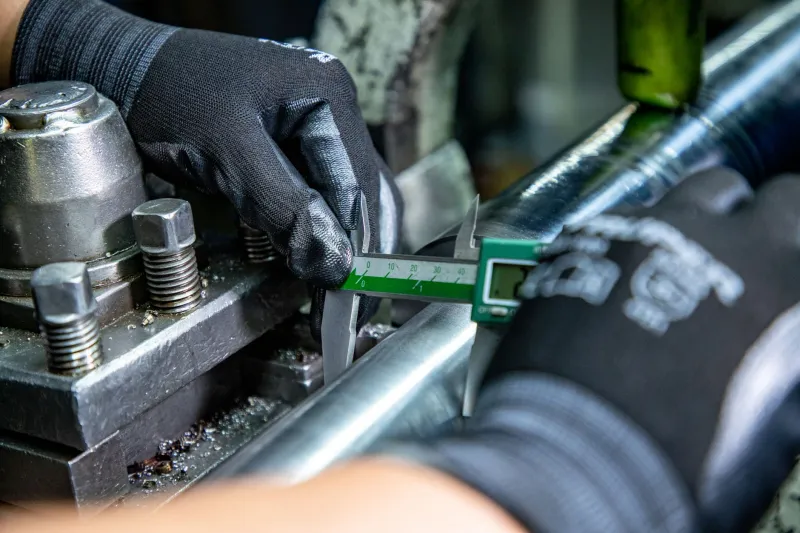
- Define measurement points. Identify the three to five critical dimensions or performance characteristics that define the product, and specify the acceptable range for each in production — not just in the sample.
- Approve tooling, not just output. Request that the production tooling used for your sample be serialized and reserved for your orders, with a defined maintenance and replacement schedule.
- Sample from production, not before it. Require a pilot run — even a few hundred units — drawn from actual production conditions, including second-shift staffing if that is how volume will run. Approve that, not just the hand-finished prototype.
- Keep a sealed reference. Retain at least two golden samples: one in your US office, one held by an independent third party or inspection firm in the manufacturing region. Disputes are resolved by comparison, and comparison requires a common reference.
- Tie payment milestones to production conformity. If final payment or repeat-order commitments depend on the first production lot matching the golden sample within defined tolerances, the factory's incentives align with yours.
A Cultural Shift, Not Just a Contractual One
The deeper lesson is that a golden sample is a snapshot of a moment, not a guarantee of a process. Manufacturing partners who understand this — and the best ones do — will volunteer the pilot run, the material traceability, and the shift-matched production samples without being asked. Those who resist are telling you something important before the problem ever reaches a port of entry.
US companies that build these disciplines into their sourcing playbook do more than avoid defective shipments. They establish a shared language of quality with their manufacturing partners — one that survives tooling wear, price pressure, and the change of shifts. In global manufacturing, the distance between approval and arrival is where partnerships are either proven or broken.